
WHAT TO EXPECT
What To Expect
A burial is a timeless and elegant way to gather family and friends together to remember and pay tribute to your loved one. A member of our staff will guide you through your options to help you plan a service tailored to your needs and budget, and that honors the unique personality of your loved one. It is our privilege to service all cultures, traditions, and faiths with the utmost respect.
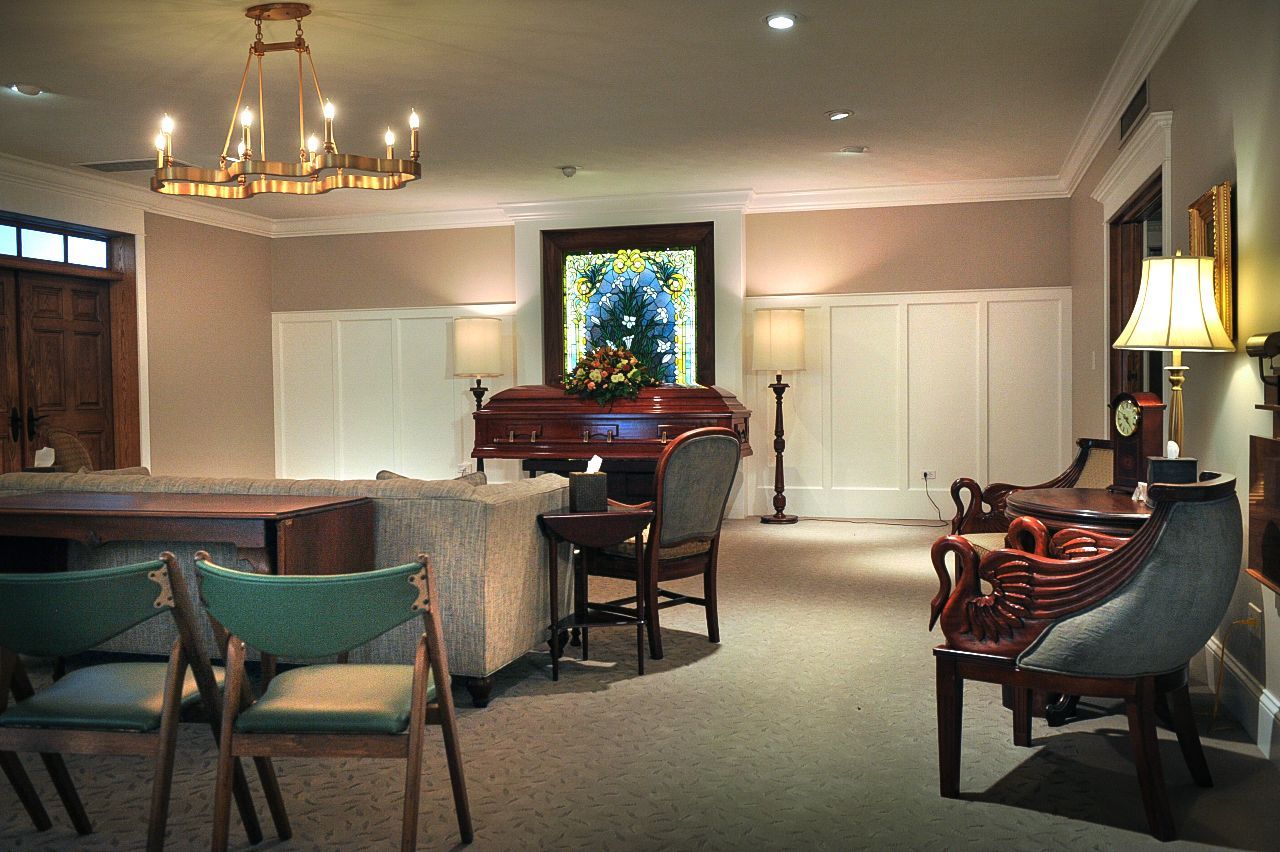
When someone you love has died, not only is there much to cope with emotionally, but there are also several logistical concerns which can weigh you down. What kind of service should there be? What options do we have?
Our team understands that these issues can be especially hard to handle in a time of mourning, so we are here to help. Below are a few helpful steps that may assist you during the difficult time following a loved one's death.
First Step-Call Your Funeral Director and Clergy
First and foremost, when someone you love has died, you and your family need comforting attention. You need time to mourn and grieve, so set aside and protect that time. During this time, you may want to call your pastor, who can help in your healing process. You should also contact your funeral director. If there's not already a family-preferred funeral director, you might ask for recommendations from those in whom you have confidence.
When a person dies away from home, it is good practice for the survivors to immediately contact the funeral director in the area where the deceased resided. We regularly work with trusted funeral homes all across the country at little or no extra cost to the family.
Second Step-Notify Family, Friends and Associates
After contacting your clergy and funeral director, you will want to let others know of your loved one's death. This can be a healthy part of the grieving process.
Third Step-Consult With Your Funeral Director
Next, you should have a consultation with the funeral director. In this meeting, you will give personal information to fill out the death certificate and prepare the obituary. Some of these facts may be difficult to obtain, so you may want to locate the necessary information before the consultation. The information usually needed includes: name of deceased, date and place of birth, date and place of death, age, marital status, name of surviving spouse (maiden name, if wife), social security number, usual occupation, kind of business or industry, U.S. war veteran (if veteran, the dates of service), usual residence, father's full name, mother's full maiden name, place of burial or cremation, and date of burial or cremation. In addition, there are several other informational items to be completed for the death certificate by the physician or coroner as well as the funeral director.
Once completed by the funeral director, he will obtain the certified copies of the death certificate. These certificates are needed to process insurance policies, social security and veterans benefits, selling of stocks or bonds containing the name of your deceased love one, selling of real estate, transferring bank accounts, and processing the will. In any instance that legal proof of death is required, you will be asked to submit a copy of the death certificate. We at Hultgren will make sure that the process of obtaining these certificates is a smooth one. We also provide each family with a checklist to ensure that every detail is considered.
Fourth Step-Consult With Your Funeral Director
After your consultation with the funeral director, you should plan the time, place, and type of service with the assistance of the funeral director and your pastor. Many times funeral services are held at the funeral home, while other times they are held at the local church. We can help you to prepare any number of service styles. If you desire to have a non-traditional service, we at Hultgren can also suggest alternatives that maintain the positive values and dignity of the funeral for the family..
Fifth Step-Choose the Appropriate Casket and Vault
With the counsel of the funeral director, you will next select the casket and vault you desire. We at Hultgren have a wide variety of styles and features aiming to make it easier for families to choose a casket that is most appropriate. Also, like many families, you will most likely need a burial container, which is used at the cemetery to contain the casket. Cemeteries usually require this type of hard container to structurally support and protect the grave site. We also have a wide selection of containers so that you may choose one that is best.
Sixth Step-Contact the Cemetery to Make Arrangements
Your funeral director can make all the cemetery arrangements. If there is no cemetery plot available, we at Hultgren can arrange for purchasing a lot in the cemetery of your choice.
If cremation was chosen, your funeral director can advise you about any local regulations concerning this procedure.
Seventh Step-Write the Obituary
With your assistance, the funeral director will prepare the obituary for publication on a website or in the newspapers. This notifies people of the time and place for visitation and the funeral services. If a memorial fund is to be established, it is suggested that this be included in the newspaper notices.
Eighth Step-Details of the Service
Together, the clergy, funeral director and family work out the details of the funeral or memorial service. Music, scripture, poetry readings, eulogies and other pieces come together for a meaningful experience. Pallbearers may be chosen if desired. Once selected, these individuals should then be contacted by a member of the family.
Final Step-Continue Fostering an Atmosphere of Support
Finally, continue to cradle your crushed spirit and encourage a realistic approach amongst the family and friends that were close to the recently departed as you all continue to grapple with your grief. You must each face the reality that someone you love has died, and you must make the needed adjustments to this fact of life. There is a real need for mutual support in this time of sorrow. Respect each other. Love each other. And, continue to foster hope within your spirit. Through the support of others and the experience of the funeral service, you can come to a place of bidding your loved one "farewell" and take a closer step toward inner healing.